
Employment Status
Employment status determines the legal rights and protections a person has at work. Disputes often arise where there is uncertainty over whether an individual is an employee, a worker, or genuinely self-employed.
Correctly identifying employment status is essential, as it affects rights to pay, leave, protection from dismissal, and other statutory entitlements.
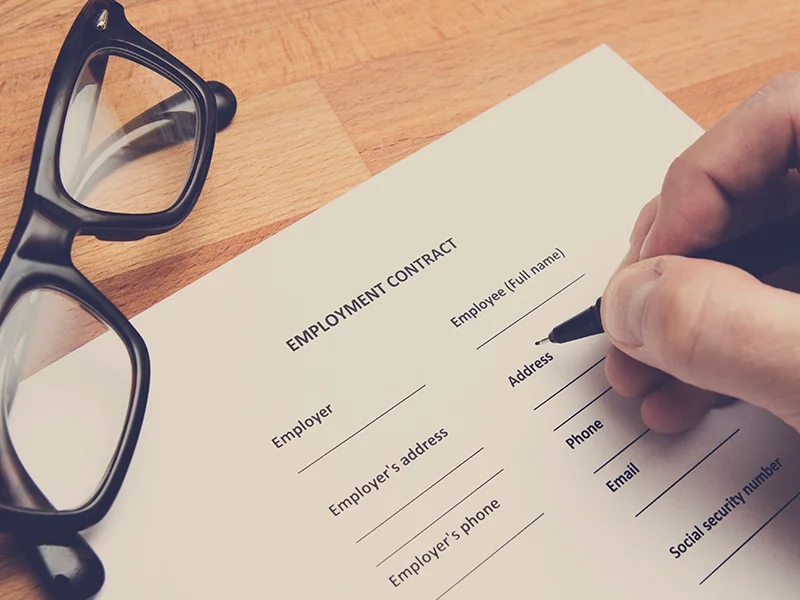
Common Employment Status Issues
- Employee and Worker Status
Employees and workers have different legal rights under UK employment law. Misclassification may result in individuals being denied rights such as holiday pay, minimum wage, or protection from unfair dismissal. - Zero-Hours and Gig Economy Claims
Individuals working under zero-hours contracts or within the gig economy may still be classed as workers or employees, depending on the reality of the working relationship rather than the contract label.
Employment Status – FAQs
What is the Difference between an Employee and a Worker?
Employees generally have the widest range of rights, while workers have limited but important protections, including minimum wage and paid holiday.
Can my Employment Status be Challenged?
Yes, if the reality of the working arrangement differs from what is stated in the contract, employment status may be challenged.
Are Zero-Hours Contracts Legal in the UK?
Yes, but individuals on zero-hours contracts may still have worker or employee rights depending on how the work is structured.
Do Gig Economy Workers have Employment Rights?
Some gig economy workers may be entitled to employment protections if they meet the legal tests for worker or employee status.
Why does Employment Status Matter?
Employment status determines eligibility for key rights such as holiday pay, minimum wage, sick pay, and protection from unfair dismissal.